
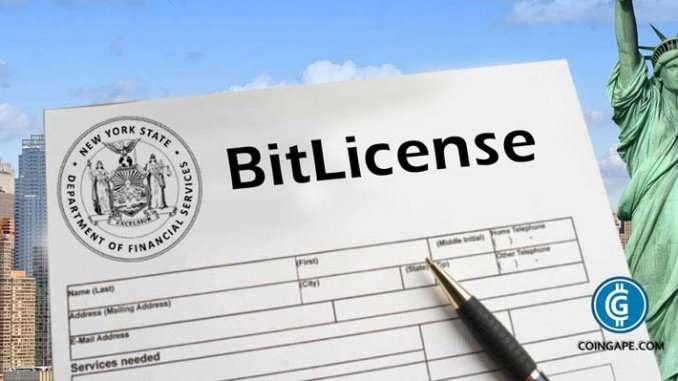
New York remains one of the most highly regulated jurisdictions in the United States for digital asset businesses. Companies engaging in virtual currency activities involving New York or New York residents may be required to obtain a BitLicense from the New York State Department of Financial Services (NYDFS).
Since its introduction in 2015, the BitLicense framework has set the regulatory benchmark for digital asset oversight in the United States. While the regime provides a pathway for legitimate cryptocurrency businesses to operate in New York, it also imposes substantial regulatory, financial, and operational obligations.
This article provides an overview of the BitLicense requirement, including who must obtain the license, the activities covered, and the core compliance expectations.
What Is the BitLicense?
The BitLicense is a regulatory license issued by the NYDFS that authorizes businesses to conduct virtual currency business activity involving New York residents or operating within the state.
The regulation was adopted under 23 NYCRR Part 200, commonly referred to as the New York Virtual Currency Regulation. Its purpose is to ensure consumer protection, financial integrity, and cybersecurity oversight for companies dealing in digital assets.
Companies operating without the appropriate authorization may face enforcement actions, penalties, or restrictions on serving New York customers.
Activities That Require a BitLicense
Businesses must obtain a BitLicense if they engage in virtual currency business activity involving New York or New York residents. These activities include:
- Receiving virtual currency for transmission or transmitting virtual currency
- Storing, holding, or maintaining custody or control of virtual currency on behalf of others
- Buying and selling virtual currency as a customer business
- Performing exchange services as a business
- Controlling, administering, or issuing a virtual currency
These requirements generally apply to a wide range of digital asset companies, including cryptocurrency exchanges, custodians, payment processors, and certain wallet providers.
Entities That May Be Exempt
Certain entities may qualify for an exemption from the BitLicense requirement, including:
- Merchants and consumers using virtual currency solely for the purchase or sale of goods or services
- Companies chartered as a New York limited purpose trust company under supervision of the NYDFS
- Businesses that do not engage in regulated virtual currency activities involving New York
However, the scope of these exemptions is narrow, and companies should carefully assess whether their activities trigger licensing obligations.
Key Licensing Requirements
The BitLicense application process is comprehensive and requires significant documentation demonstrating a company’s operational readiness and regulatory compliance. Core requirements typically include:
Corporate Governance
Applicants must provide detailed information regarding organizational structure, ownership, and key management personnel.
Compliance Program
Licensees must establish and maintain robust compliance programs addressing regulatory obligations, including anti-money laundering (AML) and sanctions compliance.
Capital Requirements
The NYDFS requires licensees to maintain capital reserves in an amount and form determined by the regulator based on the company’s risk profile.
Cybersecurity Program
Licensees must implement cybersecurity programs consistent with the NYDFS cybersecurity regulation to protect sensitive customer and operational data.
Consumer Protection Measures
Companies must disclose risks to customers, maintain policies addressing complaints, and safeguard customer assets.
Ongoing Regulatory Obligations
Obtaining a BitLicense is only the first step. Licensees must comply with ongoing regulatory obligations, including:
- Financial reporting and periodic examinations
- Maintenance of books and records
- Transaction monitoring and suspicious activity reporting
- Cybersecurity assessments and compliance oversight
- Prior regulatory approval for material business changes
Failure to maintain compliance can result in enforcement actions or license revocation.
Strategic Considerations for Digital Asset Businesses
Because of the scope and complexity of the BitLicense framework, many digital asset companies view New York as one of the most challenging jurisdictions for market entry. However, obtaining authorization can also signal strong regulatory credibility to investors, partners, and customers.
Businesses planning to operate in the digital asset space should evaluate licensing requirements early in their market strategy to ensure they are properly structured to meet regulatory expectations.
Conclusion
The New York BitLicense represents one of the most comprehensive regulatory frameworks governing digital asset activity in the United States. Companies engaging in virtual currency business involving New York residents should carefully assess whether licensing obligations apply and take proactive steps to ensure compliance.
Given the complexity of the application process and ongoing regulatory expectations, many companies work with experienced regulatory advisors to navigate the licensing process and build sustainable compliance programs.
How RCG Helps
RCG helps fintech providers navigate regulatory and operational complexities. We advise on product strategy, licensing, risk management, and controls, ensuring providers remain compliant while delivering innovative solutions.